
Why Office Furniture Procurement Delays Can Put Commercial Project Handover at Risk for Saudi Contractors
Office furniture procurement affects project handover before production. See how Xusheng coordinates approvals, multi-SKU production, quality checks and packing, preparing confirmed orders for shipment in 30–40 days.
Why Office Furniture Procurement Delays Can Put Commercial Project Handover at Risk for Saudi Contractors
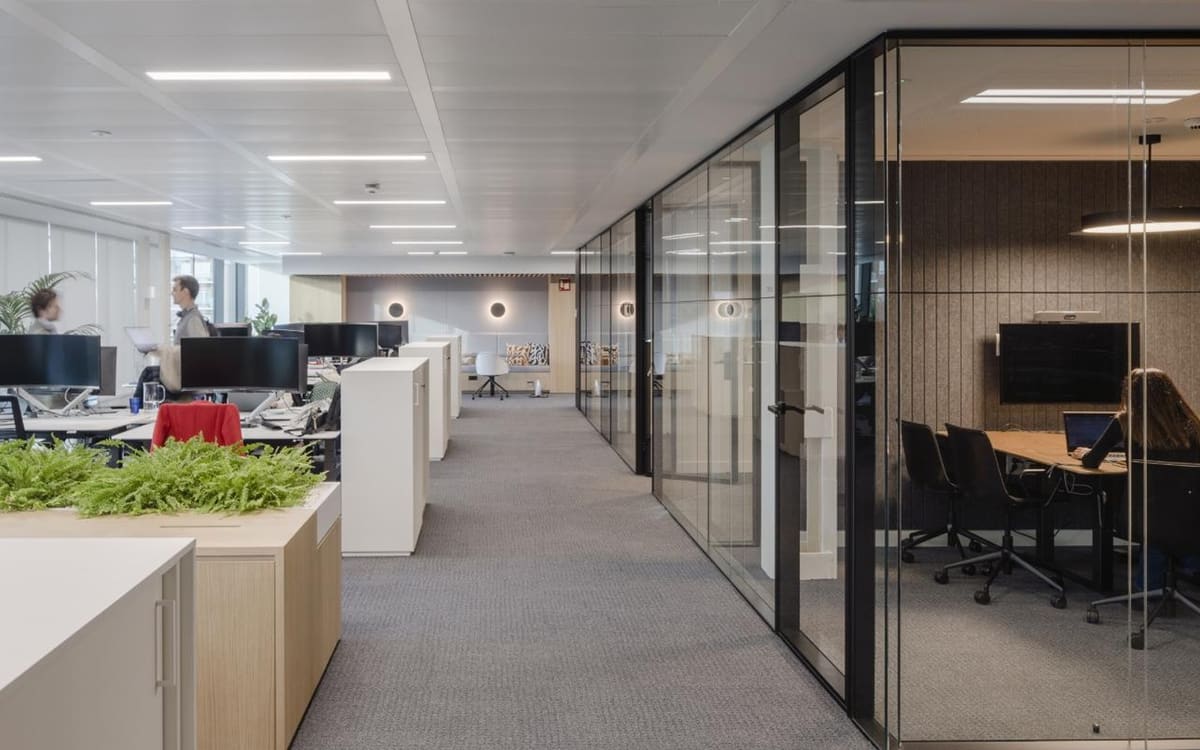
An office building can be almost ready for handover, yet the furniture required to make it operational may still be somewhere between product approval, manufacturing and delivery preparation.
For project contractors, this creates a difficult situation. The building programme may be progressing, but office desks, workstations, meeting tables and storage furniture still need to be selected, approved, manufactured and prepared for shipment.
Furniture procurement is often treated as a later stage of an office fit-out project. However, leaving it too late can create unnecessary pressure on the remaining project schedule.
The problem is not always that a furniture manufacturer takes too long to produce an order. Delays can happen much earlier, during product selection, sample approval, technical document reviews and purchasing decisions.
At Xusheng, we work with overseas furniture dealers and project customers who need to coordinate different furniture categories, specifications and quantities within a defined project schedule.
From our experience, successful project procurement requires more than agreeing on a production date. It requires a clear purchasing plan, timely customer approvals, coordinated production and proper preparation before shipment.
This is particularly important for commercial office projects in Saudi Arabia, where procurement and construction schedules need to work together.
01. The Hidden Timing Problem in Office Furniture Procurement

One of the biggest challenges in commercial projects is the difference between when furniture is purchased and when it is needed.
Furniture procurement often takes place towards the later stages of construction, but the completed furniture is required before the building can be handed over and used.
A Saudi office furniture procurement guide published in October 2026 describes this timing problem particularly well:
Furniture is almost always late in the construction sequence and almost always early in the handover requirement.
This creates pressure for project contractors who must coordinate furniture procurement with the wider construction programme.
For example, imagine a commercial office project scheduled for completion in December.
The building may be approaching its final construction stage, but the furniture package could still require:
● Final product selection and quantity confirmation.
● Product specifications and finish approval.
● Sample preparation and review.
● Technical drawings and documentation.
● Purchase order confirmation.
● Manufacturing and quality inspection.
● Packing and shipment preparation.
● International transport and site arrangements.
If these activities only begin when the building is nearly finished, the remaining time may be insufficient.
The issue is therefore not simply when the furniture arrives. It is whether the entire purchasing process has been planned around the project's final handover date.
For project contractors, furniture procurement should be considered during the planning stage rather than treated as a last-minute purchasing task.
02. Why Office Furniture Procurement Takes Longer Than Expected
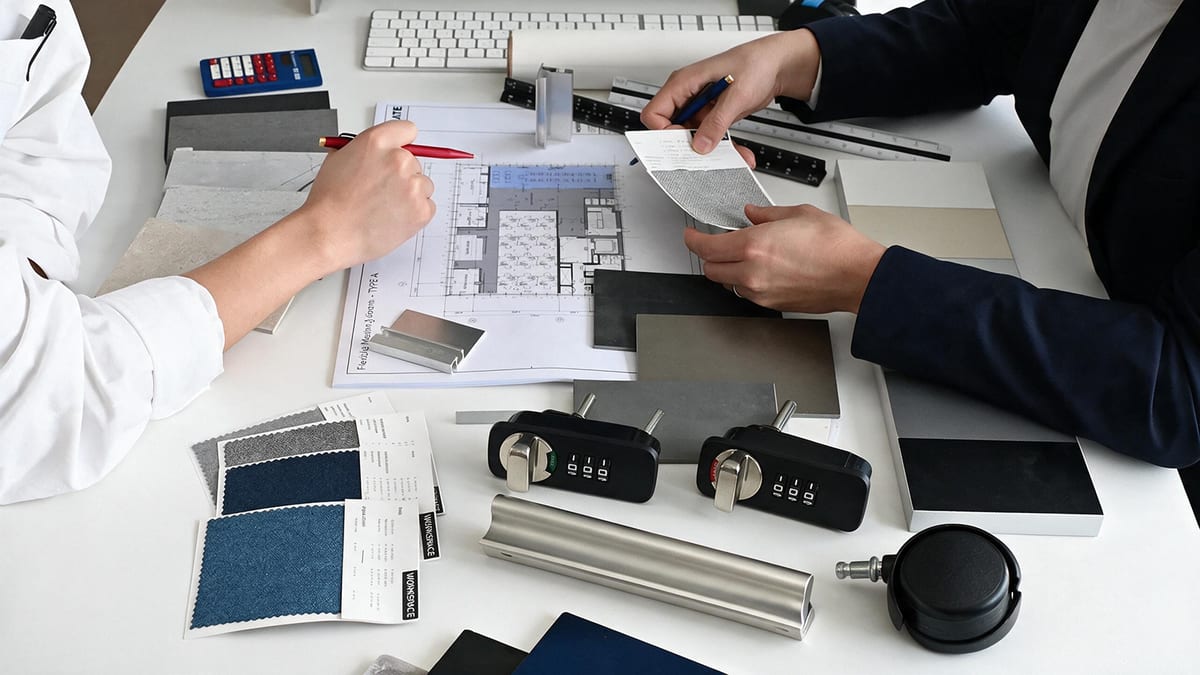
A furniture order does not move directly from quotation to production.
Several decisions need to be completed before a manufacturer can work to the final requirements.
Product Selection and Quantity Confirmation
The first step is establishing exactly what the project requires.
A preliminary furniture list may include executive desks, manager desks, workstations, meeting tables, filing cabinets, mobile pedestals and office chairs.
However, product categories alone are not enough.
The buyer also needs to confirm:
● Product models and specifications.
● Required quantities.
● Dimensions and configurations.
● Board and steel finishes.
● Hardware and accessories.
● Project budget.
● Required completion date.
A specification without quantities cannot provide a complete purchasing picture. Equally, quantities without specifications make supplier quotations difficult to compare.
For larger projects, an incomplete BOQ (Bill of Quantities) can lead to repeated clarification and quotation revisions.
Sample and Finish Approval
The next stage may involve selecting and approving physical materials.
Depending on the project, this can include:
● Board colours and woodgrain finishes.
● Steel frame colours and powder coating.
● Screen fabric and other upholstery.
● Glass and decorative finishes.
● Hardware and accessories.
Where samples require approval from a client, designer or project consultant, the review process needs to be considered in the schedule.
If a finish is changed after the initial selection, the related specifications and purchasing requirements may need to be reviewed again.
At Xusheng, our sales team provides customers with standard board, desk frame and screen fabric colour cards. We can also recommend suitable finishes based on the customer's target market.
Physical samples can be arranged where necessary.
However, final materials, colours and specifications must be confirmed by the customer before the relevant purchasing and production arrangements proceed.
Technical Drawings and Product Documentation
Some commercial projects require more than a product catalogue and quotation.
Customers may need:
● Technical drawings.
● CAD files.
● Product specification sheets.
● Material and hardware lists.
● Assembly instructions.
● Packing information.
● Relevant test reports and certificates.
If the submitted documents are incomplete or do not match the project requirements, further revisions may be necessary.
Research published in the Open Construction & Building Technology Journal in August 2024 reviewed 16 studies and identified 140 factors associated with construction project delays in Saudi Arabia.
Among the risks highlighted were delays in approving submittals, design drawings, shop drawings and material samples.
Although this research covers construction projects generally rather than office furniture procurement specifically, it reinforces why approval stages should be included in project scheduling.
Read the Saudi construction delay review
For furniture projects, the practical lesson is straightforward: the manufacturing schedule should not depend on specifications that have not yet been approved.
03. What Saudi Project Research Tells Us About Procurement Delays
It is useful to look beyond individual furniture orders and understand the wider procurement environment.
Saudi Arabia's FF&E Procurement Lead Times
Turner & Townsend's KSA Market Intelligence 2025 – Construction Cost Performance report compares procurement lead times across several construction-related categories.
One of its findings is particularly relevant to project contractors.
Loose FF&E (Furniture, Fixtures and Equipment) has a reported lead-in time of up to 25 weeks in the Saudi market.
The report also identifies supply chain constraints, increased material demand, rising material costs and skilled labour shortages as procurement challenges.
Importantly, 25 weeks represents the reported maximum lead-in time for the broader Loose FF&E category. It is not the average lead time for every office desk, chair or furniture order, and it should not be interpreted as Xusheng's production period.
Nevertheless, it demonstrates why project teams should identify furniture procurement requirements early.
Source: Turner & Townsend – KSA Market Intelligence 2025
Material Procurement and Approval Delays
Another relevant study, published in Buildings in 2019, investigated factors affecting the delivery of manufacturing and building projects in Saudi Arabia.
The research surveyed 106 professionals working in the Eastern Province, including people from management, engineering, contractor, owner, manufacturer and consultant organisations.
Among the most significant factors affecting project delivery were:
Reported delay factor | Relevance to furniture projects |
Late procurement of materials | Purchasing decisions are made too late |
Late delivery of materials | Required components or products do not arrive as planned |
Delay in approving design documents | Technical approval holds up purchasing or production |
Slowness in decision-making | Final specifications and requirements remain unresolved |
Delay in progress payments | Financial arrangements affect project progress |
The study did not focus specifically on office furniture, but its findings provide useful context for understanding procurement risks in Saudi projects.
For office furniture contractors, these findings highlight an important point: delays can originate from purchasing decisions and approvals, not just manufacturing capacity.
04. How Xusheng Coordinates a 30–40-Day Production and Shipment-Preparation Cycle
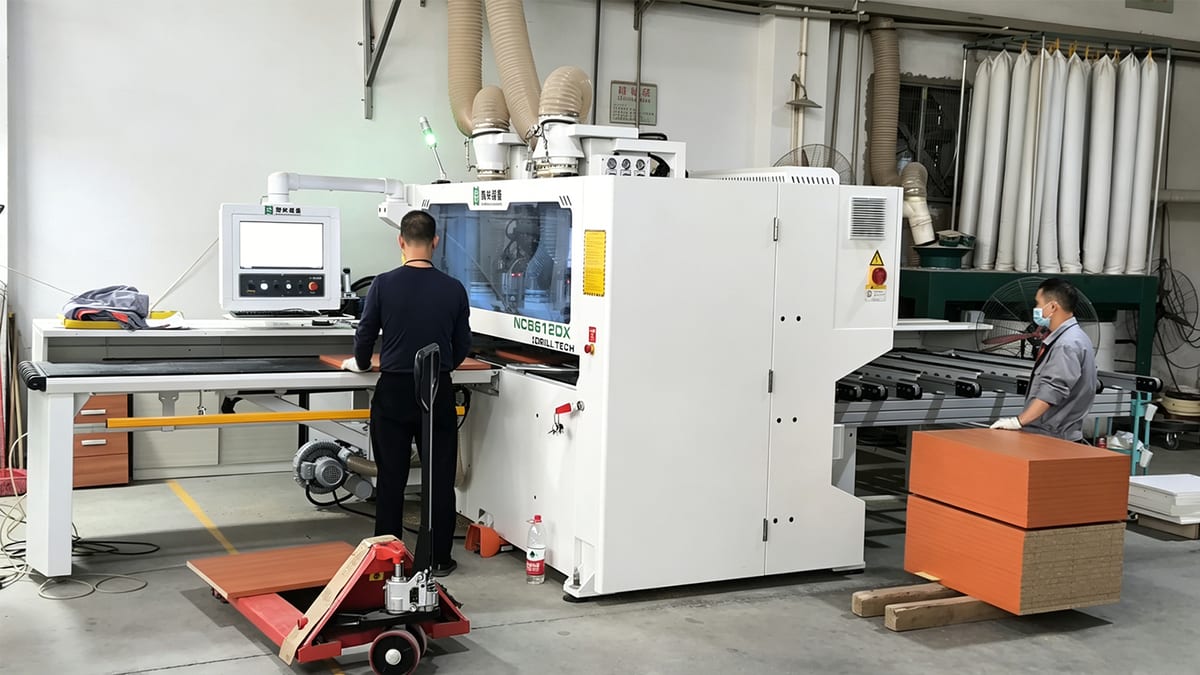
Once the complete purchasing list and all related product requirements have been confirmed, Xusheng normally completes production, quality inspection and packaging within 30–40 days.
The finished goods are then organised and stored in our warehouse, ready for shipment.
<box> </box>
This is an important part of our project coordination because customers need a clear understanding of what happens after their order is confirmed.
The 30–40-day period covers the process from confirmed order requirements to finished, inspected and packed goods ready for shipment. It does not mean the goods have already arrived at the destination port or project site.
From Order Confirmation to Production Planning
Once an order is confirmed, the factory's production planning process begins.
We prepare an overall production plan based on:
● The confirmed purchasing list.
● Product models and quantities.
● Board and steel specifications.
● Manufacturing processes.
● Material availability.
● Required delivery schedule.
Different furniture categories require different manufacturing arrangements.
For panel furniture, the process includes cutting, edge banding, drilling and trial assembly.
Steel frames follow their own production sequence, including welding, grinding, powder coating and inspection.
Office chairs and other complementary products are coordinated with their respective suppliers.
The aim is to organise the different production processes so that the entire order progresses in a coordinated manner.
Priority Scheduling for Urgent Projects
Some customers have tighter project schedules than others.
When a project has a particularly demanding timeline, Xusheng can prioritise production scheduling.
However, we first assess the complete purchasing list, product specifications, materials, production requirements and available capacity.
We then determine which products can be prioritised and whether the overall order can meet the requested schedule.
If the requested timeline is not realistic, we explain the situation and discuss alternative arrangements with the customer.
We believe a realistic delivery plan is more valuable than a promise that cannot be kept.
Managing Different Product Categories
A large furniture order may contain several product categories and dozens of SKU.
Not every product necessarily starts or finishes production at the same time.
Some products may be completed earlier, while others require additional manufacturing or supplier coordination.
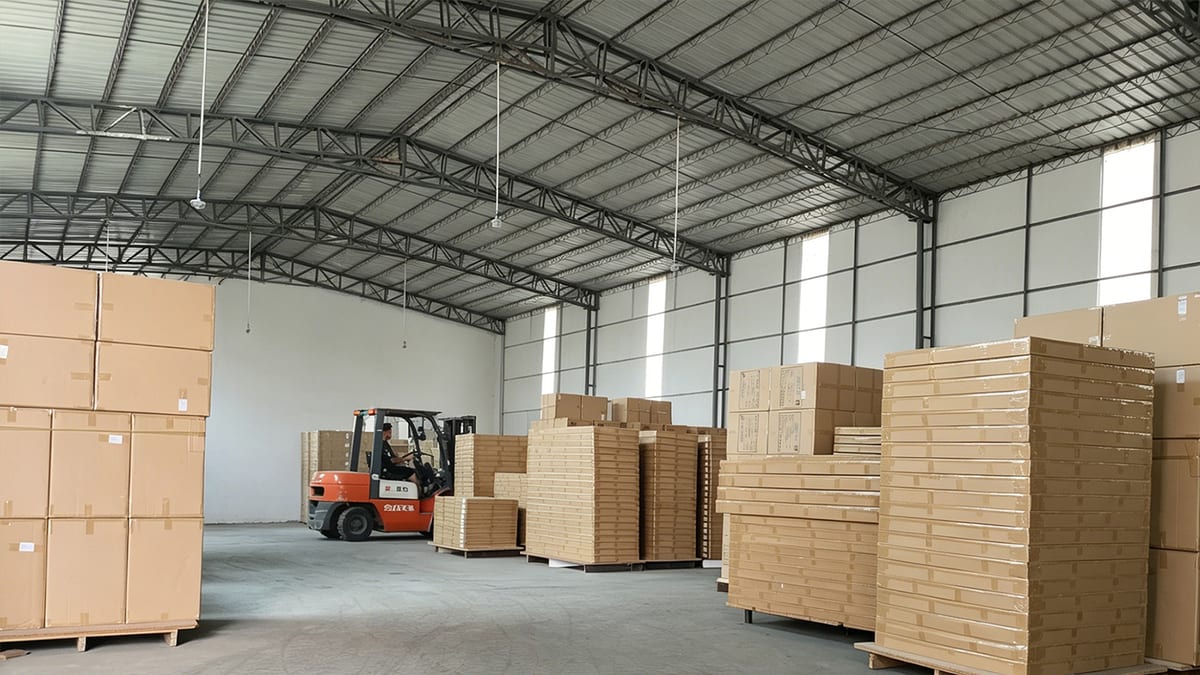
At Xusheng, completed products are checked, packed, labelled and stored in the warehouse while the remaining products continue through production.
This allows different production processes to progress without losing control of the overall order.
Before loading, the complete order is checked again to ensure that the relevant products and quantities are ready.
05. Why Multi-SKU Production Coordination Matters
For project contractors, ordering different furniture categories from one manufacturer is not simply about purchasing more products.
The different categories need to work together as a complete furniture package.
Consider a project requiring:
● Executive and manager desks.
● Individual and shared workstations.
● Meeting tables.
● Filing cabinets.
● Mobile pedestals.
● Office chairs.
Each category may involve different materials, manufacturing processes and production arrangements.
If these products are managed independently, it can become difficult to maintain a clear overall order schedule.
At Xusheng, we organise production according to the final purchasing list and the requirements of each product category.
Our panel furniture production, steel frame production and complementary product suppliers are coordinated according to the overall order plan.
What Happens When Some Products Finish Earlier?
It is not necessary for every SKU to finish on exactly the same day.
When certain products are completed earlier, Xusheng carries out the relevant checks and packaging before moving them into designated warehouse storage.
Our sales team also takes photographs and videos to update customers.
These records may include:
● Finished product photographs.
● Packaging and carton labels.
● Product models and quantities.
● Warehouse storage information.
● Assembly and testing photographs or videos.
● Production progress updates.
This gives customers a clearer view of their order while other products are still being completed.
What If the Customer Needs a Different Delivery Arrangement?
Project schedules sometimes change.
A contractor may need workstations earlier because one office area is ready, while storage furniture can be delivered later.
When this happens, Xusheng first reviews the customer's requirements.
We confirm the affected product models and quantities, assess the impact on the remaining order and calculate any additional costs associated with separate shipments.
If the proposed arrangement is practical, we provide an updated plan for customer approval.
We do not recommend splitting an order simply because it is possible. The additional transport and handling costs need to make sense for the project.
For more information about coordinating furniture orders around project requirements, see our Commercial Project Supply from China service.
06. How Xusheng Keeps Customers Informed During Production
For overseas project customers, distance can make order monitoring difficult.
A customer in Saudi Arabia cannot simply visit the factory whenever they want to check progress.
That is why production communication is an important part of the process.
At Xusheng, our sales team provides photographs, videos and relevant updates throughout the order.
Depending on the product and production stage, these may include:
Panel furniture
● Board cutting.
● Edge banding.
● Drilling.
● Product trial assembly.
Steel frames
● Welding.
● Grinding.
● Powder coating.
● Frame inspection.
Finished products
● Product appearance.
● Assembly and functional testing.
● Packaging.
● Carton identification and labels.
We also check product models, quantities and packaging information before preparing the final shipment details.
If an issue occurs that may affect the production schedule, we communicate it to the customer rather than waiting until the expected completion date.
This helps both parties understand the actual order status and make decisions based on current information.
For customers who want to understand the inspection process in greater detail, our Office Furniture Quality Control in China: What Dealers Should Check Before Shipment article explains how checks are carried out from incoming materials through production, packing and container loading.
07. What Happens When Production or Supply Issues Occur?
A responsible manufacturer should not claim that production and supply chains never experience problems.
Material availability, supplier schedules and manufacturing conditions can change.
What matters is how the manufacturer responds.
If an unexpected issue occurs, Xusheng follows a practical process.
Identify the Problem
First, we establish what has happened and which products or production stages are affected.
Assess the Impact
We identify the relevant SKU and determine whether the issue affects the complete order or only specific products.
Coordinate Production
Where possible, we review the production sequence and consider whether unaffected products can continue through manufacturing.
Coordinate Suppliers
If the problem involves materials or complementary products, we communicate with the relevant suppliers to explore ways to minimise the impact.
Review the Schedule
We reassess the production and shipment-preparation timeline based on the actual situation.
Inform the Customer
If the issue may affect the agreed schedule, we explain the situation and discuss practical alternatives.
Where a change creates additional costs or requires an order adjustment, the details are communicated to the customer for approval.
We also retain relevant records so that the issue and its resolution can be traced.
For us, good project coordination is not about claiming that nothing can go wrong. It is about identifying problems, communicating clearly and managing their impact responsibly.
08. What Project Contractors Should Confirm Before Placing a Furniture Order
Before committing to an office furniture order, project contractors should review more than the product quotation.
The following checklist can help make the purchasing process clearer.
Project Planning
● Has the final project handover date been established?
● Has furniture procurement been included in the project schedule?
● Has the complete furniture requirement been identified?
● Have the product categories and quantities been reviewed?
Product and Technical Approval
● Have the furniture specifications been confirmed?
● Have the board, steel and fabric finishes been selected?
● Are physical samples required?
● Have technical drawings and product data been approved?
● Are the final quantities consistent with the BOQ?
Production and Delivery Preparation
● Has the manufacturer confirmed the production schedule?
● Does the manufacturer have a clear process for coordinating multiple SKU?
● Can urgent products be prioritised if necessary?
● How will completed products be checked and stored?
● How will production progress be communicated?
Shipment and Site Readiness
● Has the packing list been prepared?
● Are carton quantities, dimensions and CBM available?
● Has the container loading plan been considered?
● Has the customer arranged customs clearance and collection?
● Is the project site ready to receive and install the furniture?
● Have unloading, storage and installation arrangements been discussed?
These questions help contractors understand the complete purchasing arrangement rather than relying on a single estimated production date.
For further guidance on the specifications that should be confirmed before placing an order, see our Office Furniture Specifications Checklist for Dealers.
09. Preparing for Shipment Is Not the End of Project Coordination
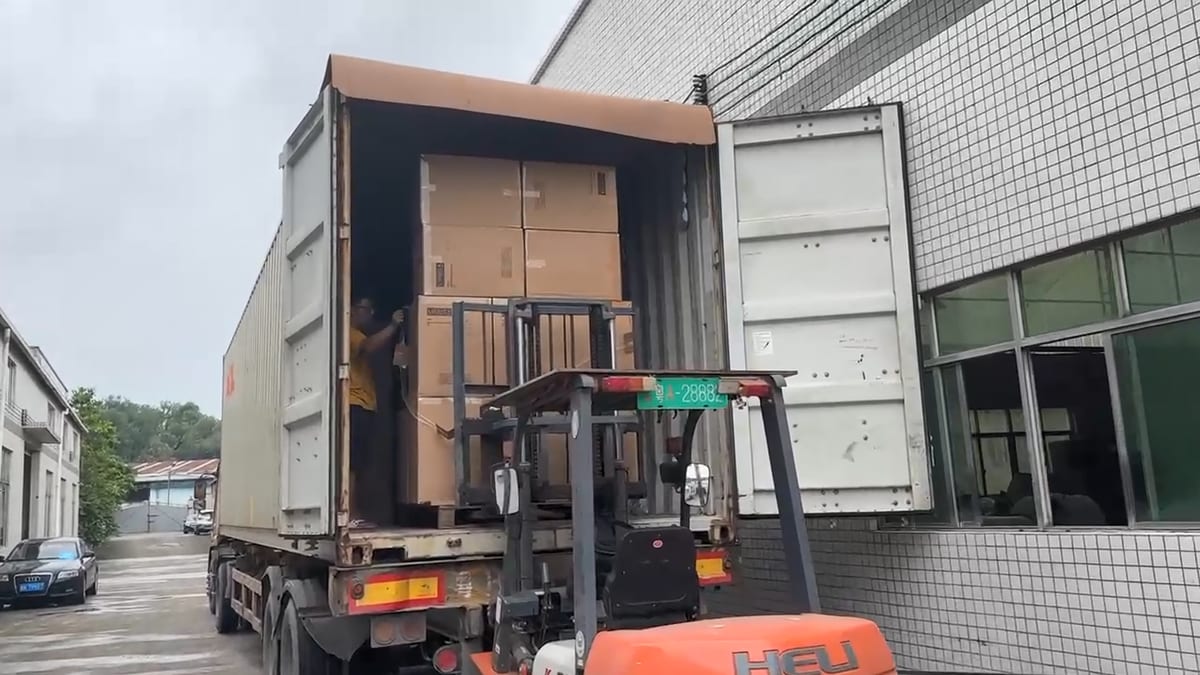
Once production, inspection and packaging are completed, the order enters the warehouse-ready stage.
However, there are still important arrangements that need to be coordinated before the goods leave the factory.
At Xusheng, we provide customers with a detailed Packing List so they can identify the product models, quantities and carton numbers.
Relevant shipment information can include:
● Product models and quantities.
● Carton numbers.
● Packing dimensions and CBM.
● Product and carton identification.
● Container loading photographs and videos.
● Container number and seal information.
Before shipment, we also remind customers to prepare for destination customs clearance, collection and warehouse receiving.
Customers should consider whether their warehouse is ready, whether unloading personnel have been arranged and whether the project site can receive the furniture when it arrives.
Assembly instructions and relevant technical information are also provided according to the order requirements.
If a customer identifies a quantity, packaging or product issue after receiving the goods, Xusheng continues to provide support and follows up on any necessary replacement components or subsequent replenishment.
The objective is to make the transition from factory completion to customer receiving as organised as possible.
10. Building a More Reliable Office Furniture Procurement Plan
Office furniture procurement should not be treated as an isolated purchasing activity.
It is connected to product design, technical approval, manufacturing, quality inspection, shipment preparation and the readiness of the project site.
For Saudi project contractors, the wider market research provides an important reminder: procurement delays and approval processes can affect construction schedules well before products reach the manufacturing stage.
At Xusheng, we approach project orders by considering the complete purchasing list, customer approval requirements, product categories and required schedule.
Once all order details and requirements are confirmed, our normal production, quality inspection and packing process takes approximately 30–40 days, with the finished goods organised in our warehouse ready for shipment.
For urgent projects, we can prioritise production scheduling after assessing the actual order requirements and manufacturing arrangements.
We also keep customers informed through production photographs, videos, inspection records and shipment information.
We do not believe that a manufacturer's value should be measured by production speed alone.
A reliable furniture manufacturing partner should understand the customer's project requirements, coordinate different product categories, communicate potential problems and prepare the order in a way that supports the wider project schedule.
The earlier furniture procurement is planned, the more time project contractors have to confirm the right products, manage approvals and coordinate delivery preparation.
The goal is not simply to finish manufacturing on time.
It is to make sure the furniture order is properly prepared when the project needs it.
Guangzhou Xusheng Furniture Co., Ltd.
WhatsApp / WeChat: +86 159 9966 3767
Email: [email protected]
CTA: Discuss Your Office Furniture Specifications
Your success is our success. When your products sell well and your business grows, Xusheng has the opportunity to grow with you.
Primary CTA:
Discuss Your Sourcing Plan
Secondary CTA:
Explore Xusheng Furniture Systems
FAQ
Frequently asked questions
01When should office furniture procurement start for a commercial project?
Furniture procurement should be considered during the early project planning stage. Product selection, quantities, specifications, sample approvals and technical documentation may all require time before manufacturing can begin.
02How long does Xusheng take to complete an office furniture order?
Once the complete purchasing list and all related requirements have been confirmed, Xusheng normally completes production, quality inspection and packaging within 30–40 days. The finished goods are then stored in our warehouse ready for shipment.
03Does Xusheng offer priority production for urgent projects?
Yes. Xusheng can prioritise production scheduling for projects with tighter timelines. The actual arrangement depends on the product categories, quantities, materials, manufacturing requirements and available production capacity.
04What can delay office furniture procurement before production?
Common potential issues include incomplete purchasing lists, unconfirmed product specifications, delayed colour and material approvals, outstanding samples and technical drawings that require further review.
05Can Xusheng coordinate multiple furniture categories in one project order?
Yes. Xusheng coordinates panel furniture, steel frames, office chairs and other complementary products according to the confirmed purchasing list and overall production plan.
06What happens if some products finish before the rest of the order?
Completed products are checked, packed, labelled and stored in the warehouse while the remaining products continue through production. Customers can receive relevant photographs and videos showing the progress.
07Can Xusheng arrange phased shipments for project orders?
Xusheng can assess requests for phased shipments. The affected product quantities, production schedule, transport arrangements and additional costs are reviewed before an updated plan is submitted for customer approval.
08How does Xusheng keep project customers informed during production?
Our sales team provides relevant production photographs, videos and progress updates. These can cover manufacturing, product assembly, testing, finished goods, packaging and order information checks.
09What happens if a production or material issue affects the schedule?
Xusheng identifies the affected products, assesses the impact, coordinates with relevant suppliers, reviews the production plan and informs the customer. Any necessary changes and additional costs are discussed before implementation.
10What information should project contractors prepare before ordering office furniture?
A useful starting package includes the BOQ, product categories, quantities, specifications, drawings, finish requirements, destination and target project handover date. This allows the manufacturer to review the requirements and assess the production arrangements.
Looking for a supplier?
Need a product, sample, or project quote?
Use the catalog to choose products, then send the list for manufacturing, dealer, OEM / ODM, or project support.